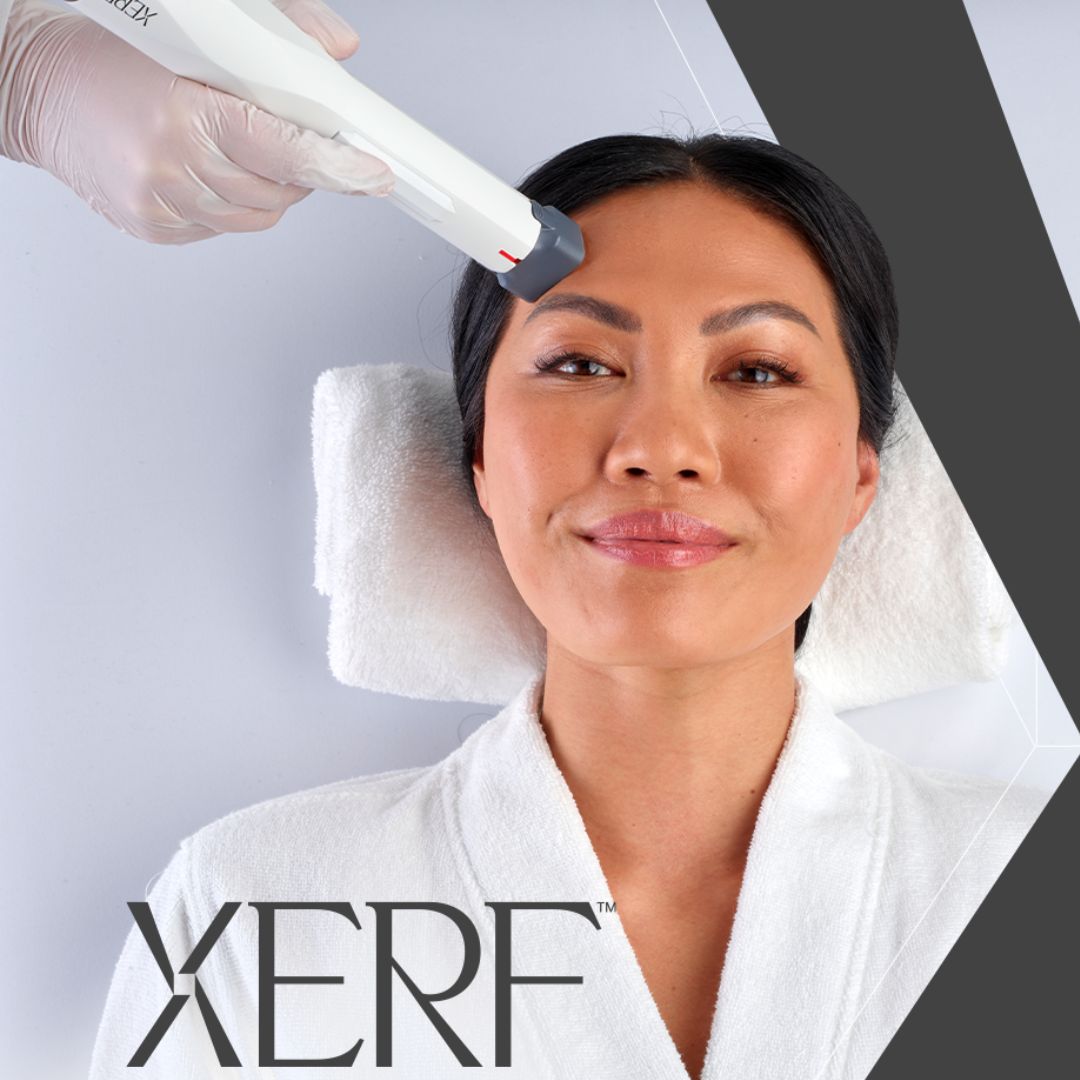

If you live in Newport Beach, sun exposure is basically part of the lifestyle. The downside is that UV adds up over time and can show up as sun spots, brown spots, freckles, uneven skin tone, plus redness, flushing, and visible capillaries. One of the most popular “reset” options for these concerns is IPL treatment, also called an IPL photofacial or intense pulsed light.
In this guide, you’ll learn exactly what IPL does, what it treats, who it’s best for, what the downtime looks like, and what affects IPL treatment Newport Beach cost so you can plan confidently.
What Is IPL Treatment (Intense Pulsed Light) and How Does It Work?
IPL (intense pulsed light) uses controlled pulses of broad-spectrum light to target two main “culprits” behind blotchy tone:
- Melanin (pigment) that creates sun spots, age spots, freckles, and uneven tone
- Hemoglobin (blood vessels) that drives facial redness, flushing, telangiectasia (broken capillaries), and some vascular lesions
The light energy is absorbed by pigment or blood vessels and converted into heat. Over time, the body clears the targeted pigment and vessels, leading to clearer-looking skin.
Clinical research has shown IPL can improve irregular pigmentation, telangiectasia, and skin texture in photorejuvenation protocols.
IPL vs Laser: What’s the Difference?
A “laser” usually uses a single wavelength (or a narrow band), while IPL uses multiple wavelengths filtered into a range. That makes IPL versatile for mixed issues like “sun damage + redness” happening together, especially on the face, neck, chest, and hands.
IPL Photofacial vs BBL: Which Is Better for Redness and Sun Spots?
Many med spas market BBL (broadband light) as a next-generation form of IPL. In practice, both are light-based treatments aimed at pigment and redness. What matters most is:
- your skin type (Fitzpatrick scale),
- the device used,
- and the provider’s protocol and settings.
If you’re comparing options in Orange County, ask what concern you’re treating first: pigment, redness, or both.
What IPL Targets: Pigmented Lesions vs Vascular Lesions
Think of IPL as a two-in-one approach:
- Pigmented lesions: sun spots, brown spots, age spots, freckles, uneven tone
- Vascular lesions: diffuse redness, facial flushing, broken capillaries, visible vessels
StatPearls notes IPL is commonly used for benign pigmented and vascular disorders and photoaging concerns.
What IPL Can Treat in Newport Beach: Sun Damage + Redness Concerns
IPL for Sun Spots, Brown Spots, Age Spots, and Freckles
If your main complaint is “spotty” skin from years in the sun, IPL is often chosen because it targets pigment efficiently across larger areas than spot treatments.
A practical note: pigment may temporarily look darker before it fades. Mayo Clinic notes that light/laser treatments for sun spots can cause side effects like redness, swelling, itching, changes in skin color, and scarring (rare), so proper settings and aftercare matter.
IPL for Hyperpigmentation and Uneven Skin Tone
IPL can help improve uneven tone from sun-induced discoloration. For melasma-prone skin, however, you’ll want a careful consultation because heat and light can aggravate melasma in some cases. Mayo Clinic specifically flags intense pulsed light as having a risk of heating surrounding skin, which is thought to worsen melasma.
IPL for Facial Redness, Flushing, and Diffuse Redness
IPL is widely used for redness patterns, especially when they are vascular in nature. A 2024 systematic review found most included studies showed positive effects of IPL on erythema and telangiectasia in rosacea, with adverse effects generally transient.
IPL for Broken Capillaries and Spider Veins on the Face
Broken capillaries (telangiectasia) are one of the classic “wins” for IPL photorejuvenation series. The randomized controlled split-face trial by Hedelund et al. reported improvements in telangiectasia and irregular pigmentation after a series of IPL treatments.
IPL for Rosacea Redness: When It Helps and When It May Not
IPL can be helpful for rosacea-related visible vessels and background redness. That said, rosacea is complex and can flare for different reasons. IPL does not replace medical management when needed, but it can be a strong add-on for the vascular component.
Am I a Good Candidate for IPL?
The best IPL candidates usually have:
- Visible sun damage (sun spots, freckles, uneven tone)
- Redness or visible vessels (capillaries, diffuse redness)
- Realistic expectations and willingness to do a series
Fitzpatrick Skin Type and Why It Matters
Your Fitzpatrick skin type helps predict how your skin reacts to UV and light-based treatments. In general, higher melanin levels can increase the risk of unwanted pigment changes if settings are not appropriate.
IPL for Sensitive Skin: What to Know
Sensitive skin does not automatically rule out IPL, but it makes consultation and aftercare more important. Share any history of eczema, frequent irritation, or recent active inflammation so settings can be adjusted.
Melasma Considerations: Why a Consultation Matters
If you’ve been told you have melasma (or you suspect it), don’t guess. Heat and light can worsen melasma for some people, and Mayo Clinic recommends focusing on sun protection and a tailored plan.
Who Should Avoid IPL (Recent Tan, Certain Medications, and More)
IPL is often discouraged for:
- recently tanned skin or sunburn
- active infection or open wounds
- certain photosensitizing medications (your provider should screen this)
- situations where your provider advises delaying treatment for safety
Clinical literature on complications notes that risk rises with darker skin or recent tanning due to competing melanin absorption.
IPL Treatment Process: Step-by-Step (From Consultation to Aftercare)
Consultation and Treatment Plan: Settings, Areas, and Session Count
A good consult typically includes:
- Skin assessment (tone, pigment type, vessel pattern)
- Review of meds and skincare
- Patch test if appropriate
- Recommended series and spacing
DermNet notes a course of 4-6 sessions every 3-6 weeks may be needed, depending on goals and condition.
What IPL Feels Like: Does IPL Hurt?
Most people describe IPL as a quick snap or rubber-band flick, with warmth. Comfort varies by area and settings. Cooling gel and device cooling help.
Treatment Areas: Face, Neck, Chest, and Hands
If your concern is “sun damage + redness,” many people treat:
- face (overall tone)
- neck and chest (frequent sun exposure)
- hands (often show sun spots early)
How Many IPL Sessions Do You Need for Sun Damage and Redness?
Some people notice brightness after one session, but most see the best improvement with a series.
Typical planning ranges (varies by skin and concern):
- Mild sun spots or redness: 2-3 sessions
- Moderate sun damage + redness: 3-5 sessions
- More diffuse issues: 4-6 sessions
This aligns with common protocol ranges referenced by DermNet for IPL treatment courses.
IPL Downtime and Recovery Timeline: What You’ll Look Like Over 7 Days
Downtime is usually minimal, but “minimal” does not mean “nothing happens.”
What to Expect in the First 24-48 Hours (Redness, Warmth, Swelling)
Common short-term effects include:
- mild redness
- warmth or tightness
- mild swelling (especially under eyes)
Mayo Clinic notes light/laser treatments can cause redness and swelling, and changes in skin color can occur.
Why Dark Spots Can Look Darker First (and When They Flake Off)
Targeted pigment can darken before it fades. People often describe a “peppered” look on spots as they lift.
How Long Does Redness Last After IPL?
Many people calm down within 24-72 hours, but it depends on sensitivity and vascular reactivity. If you treat redness aggressively, expect a little more short-term redness.
Can You Wear Makeup After IPL?
Some providers recommend waiting at least 24 hours, especially if the skin feels warm or sensitized. Follow the protocol you’re given.
Chart idea (describe for generation):
“7-Day IPL Recovery Timeline”
- Type: timeline chart
- X-axis: Day 0 to Day 7
- Markers: “Treatment,” “Redness peak,” “Pigment darkening,” “Flaking phase,” “Tone brightening”
- Add notes for sunscreen and gentle skincare each day
IPL Results: When You’ll See Improvements and How Long They Last
Results Timeline: 1 Week, 2-4 Weeks, and After Multiple Sessions
- 1 week: skin looks brighter, spots may lift
- 2-4 weeks: redness can look calmer, tone more even
- After a series: most noticeable improvement in overall clarity
Clinical evidence supports improvements in telangiectasia and irregular pigmentation after a multi-treatment series.
Before and After Expectations: What “Natural Results” Really Means
IPL typically improves:
- overall tone and clarity
- “patchiness” from sun exposure
- visible vessels and background redness
It usually does not replace deeper resurfacing if your main goal is severe texture or deep wrinkles (rhytids), consistent with findings in the split-face trial noting limited effect on rhytids.
Maintenance Treatments: How Often to Repeat IPL for Best Skin Clarity
Maintenance depends on:
- how much sun exposure you get
- your skincare routine and SPF habits
- how reactive your redness is
Many people do a touch-up 1-2 times per year, but your provider should personalize this.
“Skin Clarity Improvement Across IPL Sessions”
- Type: line chart
- X-axis: Session 0 to Session 6
- Y-axis: “Visible Pigment + Redness Score” (higher to lower)
- Include two lines: “Pigment” and “Redness” showing gradual improvement and a plateau after series completion
IPL Treatment Newport Beach Cost: Pricing, Packages, and What Affects the Price
IPL pricing varies widely by provider, device, and area treated.
IPL Treatment Price Factors: Areas Treated, Severity, and Technology
Here’s what typically drives cost:
-
treatment area size (face vs face + neck + chest)
- severity and density of pigment/vessels
- device brand/technology and settings
- provider expertise and included follow-ups
- whether you buy single sessions or a package
Healthline notes IPL cost depends on the condition treated and size of treatment area, and that insurance typically does not cover cosmetic IPL.
Single Session vs Package of 3: Which Offers Better Value?
Packages are often a better value when you know you need a series.
IPL cost planning (use as a pricing framework, not a promise)
| Cost Driver | What it Means | How it Changes Total Cost |
|---|---|---|
| Area treated | Face vs face/neck/chest/hands | Larger areas cost more |
| Concern severity | Light freckles vs dense sun spots + redness | More sessions needed |
| Session count | Typically done in a series | Packages reduce per-session price |
| Provider + device | Expertise and technology | Impacts outcomes and safety |
For consumer-level benchmarks, sources commonly cite broad ranges, like hundreds to over $1,000 depending on area and provider, and average ranges like $700 to $1,200 on some consumer health sites.
For treatment cadence, DermNet describes common series schedules (4-6 sessions, spaced 3-6 weeks).
IPL Specials in Newport Beach: How to Evaluate Deals Safely
A deal is only a deal if:
- the provider screens you properly (skin type, tanning, meds)
- the device is appropriate for your skin
- you have realistic expectations and a real plan, not a one-off upsell
How to Prep for IPL (And What to Avoid)
What to Stop Using Before IPL (Retinoids, Acids, and Actives)
Many clinics instruct patients to pause:
- retinoids (retinol / tretinoin)
- exfoliating acids (glycolic, salicylic)
- other irritating actives
Example pre/post instructions often emphasize avoiding retinoids and exfoliants and strict sun avoidance before and after treatment.
Sun Exposure Rules: Why Tanning Can Delay Treatment
Avoiding a tan is not just a rule, it’s a safety issue. Tanned skin has more melanin competing for light absorption, which can increase the risk of burns or pigment changes.
Pre-Treatment Checklist for the Best Outcome
- Arrive with clean skin (no makeup if instructed)
- Share medication changes
- Avoid heavy sun exposure and tanning
- Pause irritating skincare per your provider’s timeline
IPL Aftercare: What to Do for Faster Recovery and Better Results
Sunscreen After IPL: SPF Rules and Sun Protection Tips
Consistent sunscreen is a non-negotiable after IPL, especially in coastal California where incidental UV exposure is common.
Professional post-care instructions frequently emphasize no tanning and strict sun avoidance windows before and after.
What to Avoid After IPL (Heat, Exfoliation, and Certain Skincare)
Common avoid list:
- hot yoga, saunas, very hot showers for a short window
- exfoliation and picking at flaking pigment
- retinoids and acids until cleared
Post-Care Routine for Skin Brightening and Redness Reduction
Simple is best for a few days:
- gentle cleanser
- bland moisturizer
- mineral SPF
- avoid aggressive actives until skin fully calms
FAQs: IPL Photofacial Newport Beach
How many sessions for sun damage?
Many people need a series. DermNet describes common courses of 4-6 sessions spaced 3-6 weeks apart, depending on the condition and desired results.
How many sessions for redness or rosacea?
It depends on vessel density and how reactive your skin is. Systematic review evidence supports IPL improving erythema and telangiectasia in many studies, typically with multiple sessions.
Is IPL safe for darker skin tones?
Risk can be higher for unwanted pigment changes in deeper skin tones, especially if settings are not appropriate. PIH is more common in darker Fitzpatrick types, and complications literature warns about increased risk with darker skin or tanning.
Does IPL remove sun spots permanently?
IPL can significantly fade sun spots, but new spots can develop with ongoing UV exposure. Long-term sun protection is what keeps results looking consistent.
What’s the downtime after an IPL photofacial?
Often minimal, but redness and swelling can happen. Mayo Clinic notes redness and swelling are possible after light/laser treatments for sun spots.
IPL vs BBL - which is better?
Both are light-based and often used for pigment and redness. The best choice depends on your skin type, the device, and provider experience.
Book IPL Treatment in Newport Beach: Next Steps
If you’re trying to fade sun spots and calm redness with one plan, IPL is one of the most efficient “all-over tone” options, especially when you commit to a smart series and protect your results with SPF.
Next step: book a consultation and build a treatment plan that matches your skin type, pigment pattern, and redness triggers.